

It was one of Australia's most devastating fire seasons, but how did Black Summer start and what has been learnt since then?
As Australians brace for summer heatwaves, there are reminders of another devastatingly hot season. Six years ago, the Black Summer bushfires caused widespread devastation and destruction across the country.
And while some memories may have faded, Black Summer's impact remains, as Australians wait in nervous anticipation for what may be ahead.
What was Black Summer?
Black Summer is the name given to the 2019-2020 summer that was one of the most damaging bushfire seasons in Australian history.
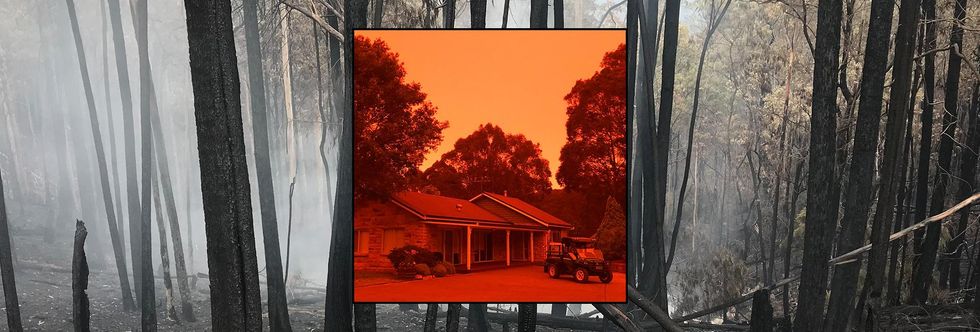
The term stems from the black skies Australians lived with during those summer months, as well as the trail of ashy devastation the bushfires left in their wake.
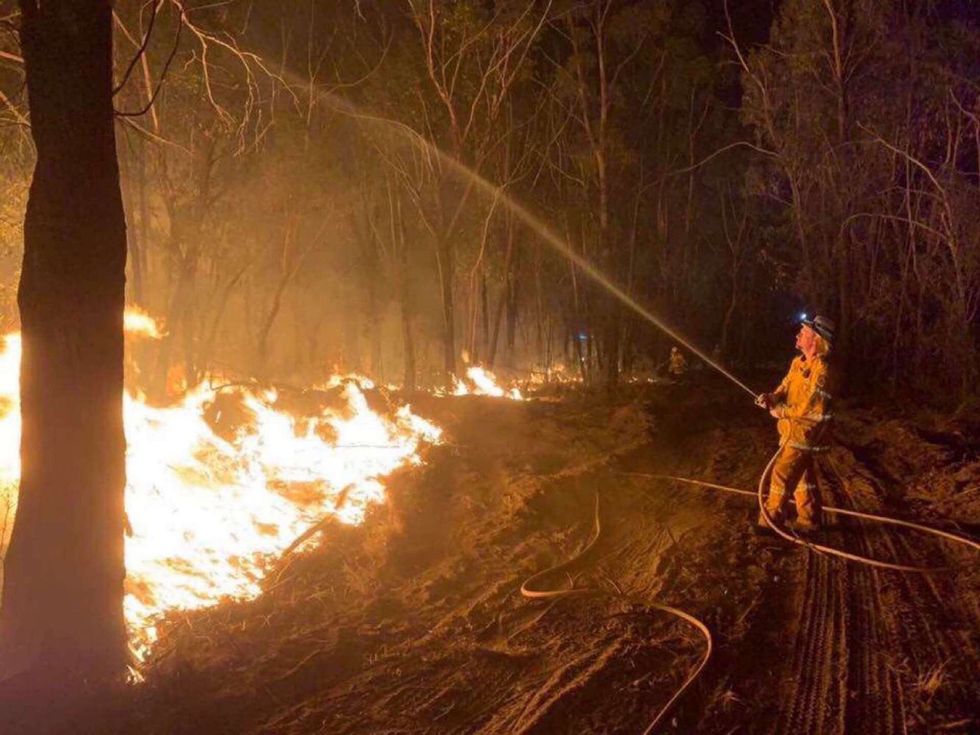 Many firefighters felt unprepared for the scale of the Black Summer bushfires.Photo: Freda Clutterham
Why was it so bad?
From September 2019 to March 2020, fires burned across sizable parts of the country, setting alight more than 24 million hectares of land. The most affected areas were along the south-east coast of New South Wales and Victoria, and far north Queensland.
Over 3,000 buildings were lost to the flames, displacing tens of thousands and directly causing the death of 33 people, amidst the loss of billions of animal lives, according to Natural Hazards Research Australia.
Although major cities were not affected structurally as much as regional areas, the nationwide blanket of smoke caused 450 smoke inhalation-related deaths and major health concerns for many individuals with respiratory issues, according to CSIRO.
How did it all start?
The array of bushfires stemmed from a so-called perfect storm of risk factors. Lack of moisture across the nation paired with higher-than-average temperatures and several years of drought laid the ideal foundation for fires.
Due to the erratic nature of the fires, Rural Fire Service firefighters also felt unprepared, and were limited in their ability to control the emergency-level fires spreading on their watch.
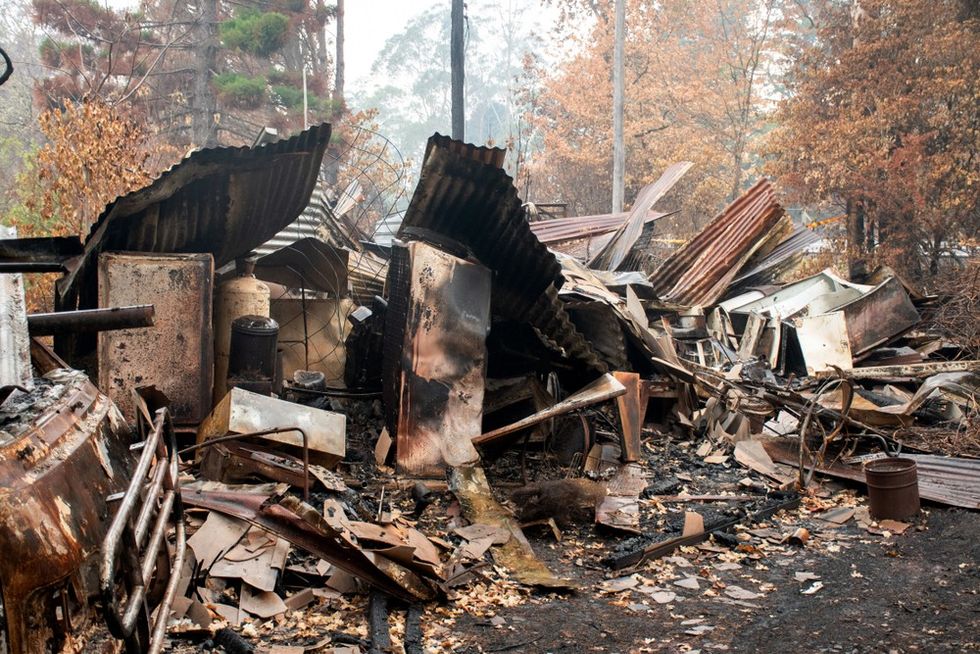 The bushfires claimed 33 lives directly, and many more from smoke-related causes.Shutterstock
What have we learnt since then?
Six years on, much has been learnt from the fires, and more funding and support has been allocated for both front-line fighters and hazard-reduction researchers.
One of the positives was the development of the Black Summer Research Program, led by Natural Hazards Research Australia, which investigated the causes behind the disaster and looked at how another catastrophe could be avoided.
The program focused on four main components:
- fire predictive services
- cultural land management
- community-centred disaster risk reduction
- bushfire data and reconstruction
This research has significantly aided emergency services and government organizations with the learnings to prevent another Black Summer.
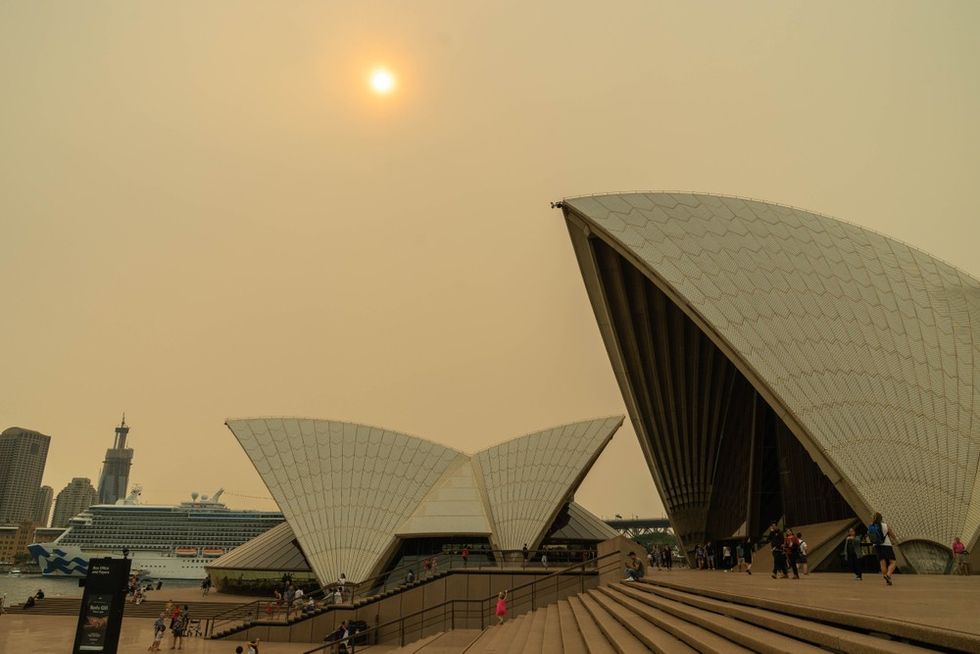 The smoky skies from the bushfires lingered over the country all summer long. Shutterstock
Should we worry about it happening again?
Although there are many more preventative measures in place to reduce another fiery summer, there are no guarantees.
According to the NSW Rural Fire Service, the best option is be prepared: clean out gutters, keep lawns short and get a fire survival plan in place.
It is normal to worry about the impact of a fire season.
But after the devastating impacts of Black Summer, Australia has become more prepared to handle disasters of that scale and keep our communities safe and smoke-free.