


Remaking Mary Shelley's classic text may be director Guillermo del Toro's dream project, but his changes to the narrative raise some questions.
Review
Frankenstein
Netflix
Rating: ★★★☆☆
At more than 200 years old, Mary Shelley’s Frankenstein is one of the most adapted texts from the western canon. Now this includes director Guillermo del Toro’s recent adaptation for Netflix. Despite its age, Frankenstein is still relevant for its themes of dehumanization, obsession and acceptance. These themes will forever be potent, especially in a world frequently defined by hate, prejudice and ambition.
But while there is a continued appetite for Frankenstein in 2025, questions should be asked as to the way Del Toro honors this timeless narrative.
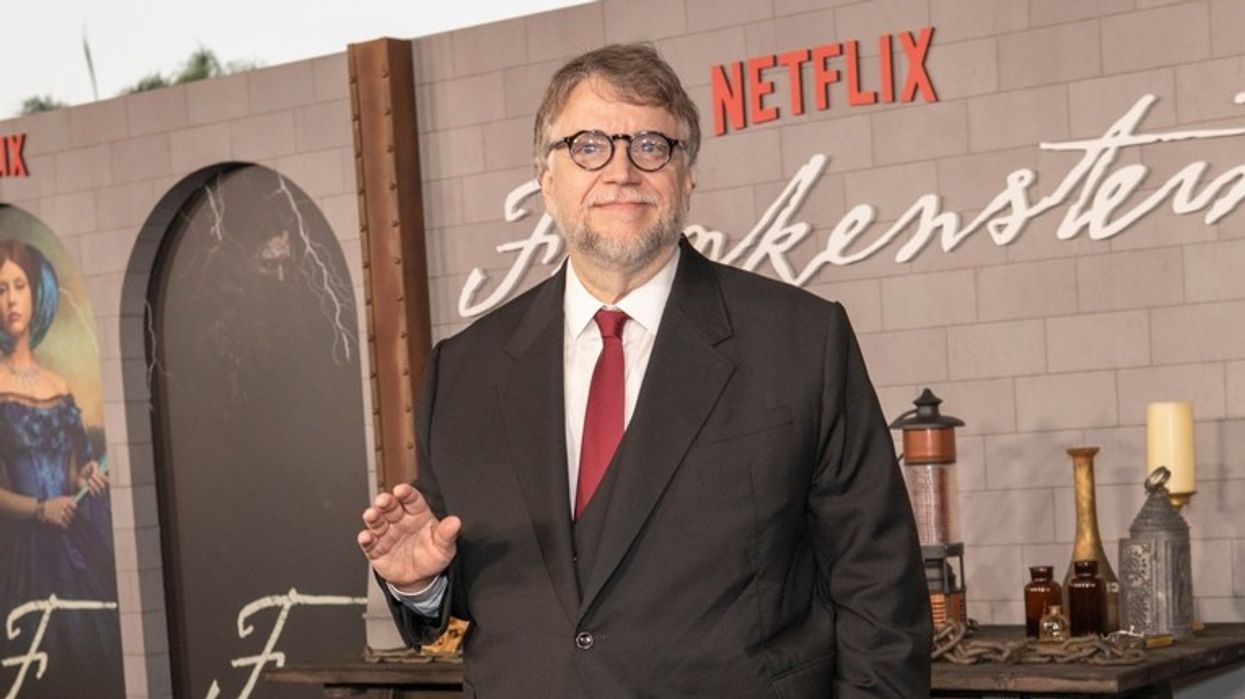 Director Guillermo del Toro is known for his fantastical filmmaking style.Shutterstock
Del Toro has a deep personal connection to fantastical and horrific narratives, as represented by his extensive filmography ranging from comic book films to gothic horror. As he told The Atlantic: “In horror we can parade the most reprehensible aspects of our being … We are allowed to discuss our anxieties and even to contemplate the experience of death in absolute safety.”
There’s a through line running through much of his work, from Pan’s Labyrinth in 2006 through to the Oscar-winning Pinocchio in 2022, which touch on adjacent themes to Frankenstein. Del Toro is also known for his gothic style seen in his 2015 film Crimson Peak. So it’s no surprise that he’s finally been given the opportunity to make the Frankenstein film he has dreamed of.
It might seem this film is Del Toro swinging for the fences, with seven years of production and a lifetime of obsession behind him. So, was he able to honor this classic in this adaptation?
Short answer… no.
For fans of Shelley’s original work, this version of Frankenstein will be a headache. With adaptations, there are always compromises that must be made. But in this version, Del Toro goes too far, and not far enough in others.
He nails the work of translating the novel into a visual medium. With vibrant, fantastical sets and detailed special effects, this film is brought to life in the way only Del Toro knows best.
And most of the film’s thrills emerge from the action sequences and sound design. Each time a gun was fired or back broken, viewers will feel the crunch inside their body, an admittedly great feeling while in the cinema.
But the so-called Netflix sheen, common in many creations for the streamer, often takes away from the visual and makeup effects. Judging from the many behind-the-scenes images, these didn’t need much post-production, yet this took place and likely contributes to making many scenes feel overstimulated and less alive.
Because of this gloss, many aspects of Frankenstein as a horror novel are lost, as everything looks so much cleaner.
Worse, the dialogue is significantly dulled down. At many points, the screenplay feels the need to explain itself, so audiences don’t miss the meaning. Any active member of the audience will be able to understand the meaning of the film through watching it, without the need of on-the-nose dialogue or voiceovers explaining exactly how the characters feel about what’s happening.
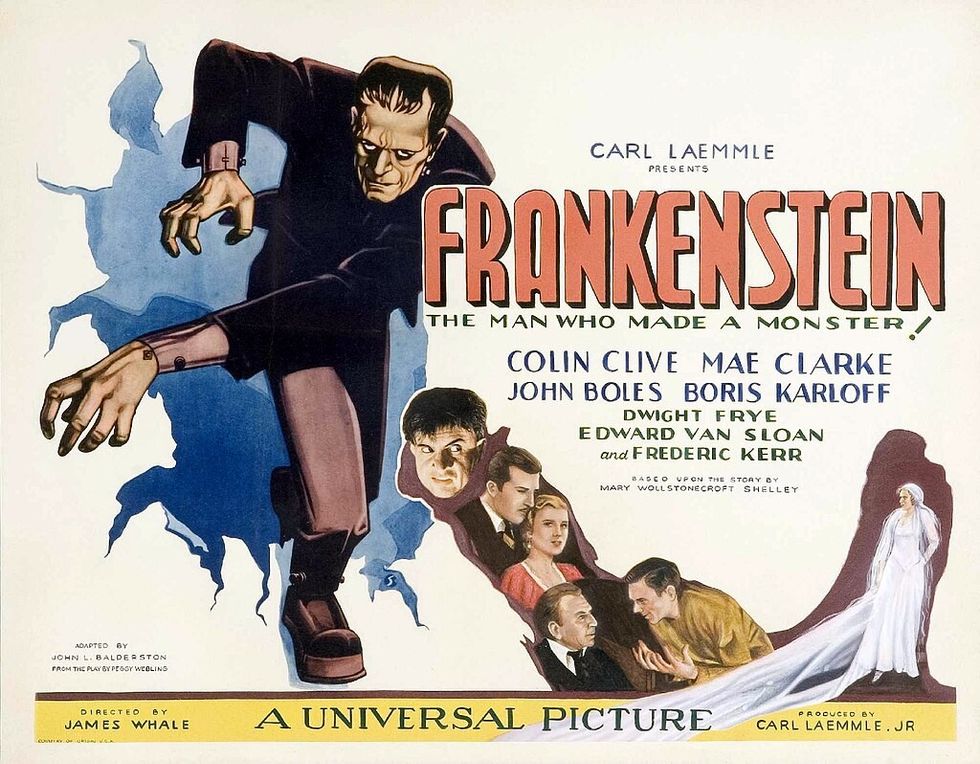 The 1931 film version of Frankenstein has remained the classic.Wikimedia Commons
Yet the adaptation’s biggest sin is Del Toro’s changes to the storyline. One of the most unlikable is the overall simplification of the film’s narrative. Rather than the exploration of isolation and unchecked ambition of Dr Frankenstein’s character, the film replaces these with the doctor’s clichéd “daddy issues” and an Oedipal complex.
And rather than him digging up bodies to assemble the Creature’s corpse in the dead of night, Christoph Waltz’s character Harlander is a forgettable MacGuffin that finances the whole experiment.
Actor Mia Goth as both Frankenstein’s mother and his love interest is a gross stereotyping of the only female character in the story. Shelley’s original narrative explored identity and disgust; relegating the sole female voice to the role of mother is outdated and could be seen as a rejection of the spiritual core of the narrative.
Disappointingly the film doesn’t commit to these changes. For example, Harlander is removed with no resolution once there is no need for his presence. The changes would be welcome if they were justified and added a new layer to the source material. However, due to the lack of commitment to these alterations, characters’ motivations and conclusions do not match what we see portrayed onscreen.
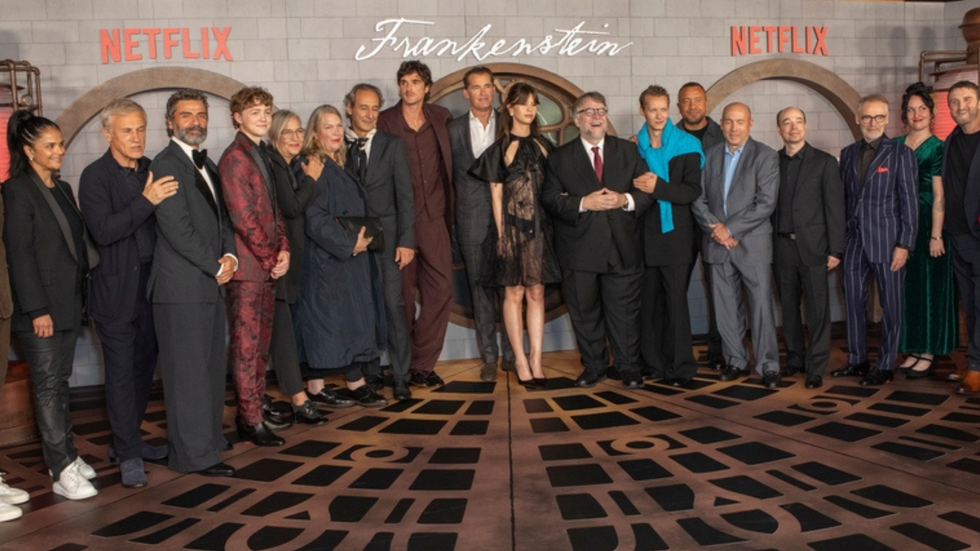 The Netflix version of Frankenstein has attracted mixed reviews.Shutterstock
Many have read Frankenstein as an allegory for queer and trans experiences, and it would have been interesting to see a modern adaptation of the story explore the inner turmoil, social rejection and violence felt by many gay and trans people via the role of The Creature. Much of the fanfare around this film is from many people recognizing connections like these, however the film does not explore this in depth.
Instead, it becomes the kind of movie that you throw on while eating dinner with the family, one you can talk over and still not miss a beat. As I experienced on my second watch, it's boring.
It’s clear Del Toro did not set out to make a perfect recreation of Shelley’s original work, and he was not obligated to.
But I am left scratching my head as to why he made the changes that he has, only to push the story back on track with Shelley’s. Given the opportunity to make the version of Frankenstein he set out to make, without being pressured to make a one-to-one recreation of the original text, this film may have been something great. Ultimately the final product has turned Shelley’s timeless masterpiece into a generic horror flick.
Worst of all, it is simply not alive.

 Shutterstock
 Shutterstock




France protests, Christa Pike survives and Messi retires