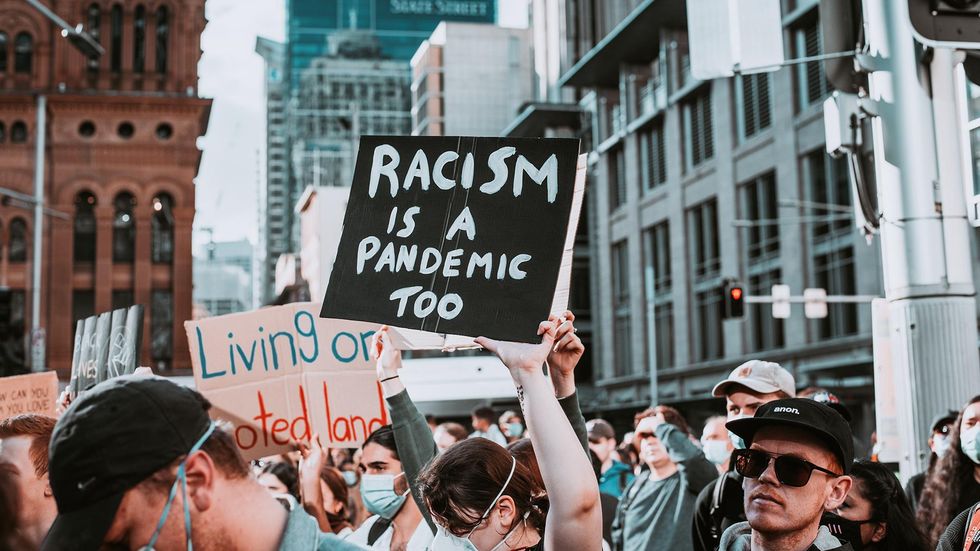


This Sydney teacher is witnessing increased racism in the classroom, and he says online racism is to blame
As high school students return to the classroom, a Western Sydney teacher warns that racist "banter" in schools is shifting beyond ignorance, and students are increasingly choosing harm against classmates and others under the influence of peers and online trends.
Western Sydney high school teacher, Robert Smith, who has 35 years of in-class experience, warns racism is often normalised through humour, with offensive language dismissed as harmless. Smith says students frequently downplay racist remarks when challenged.
"It’s usually, ‘Just joking’. That's the usual excuse," he said.
But this behaviour is often intentional. "I think everyone understands that it’s harmful … I think right now, deliberately doing harm is [seen as] cool."
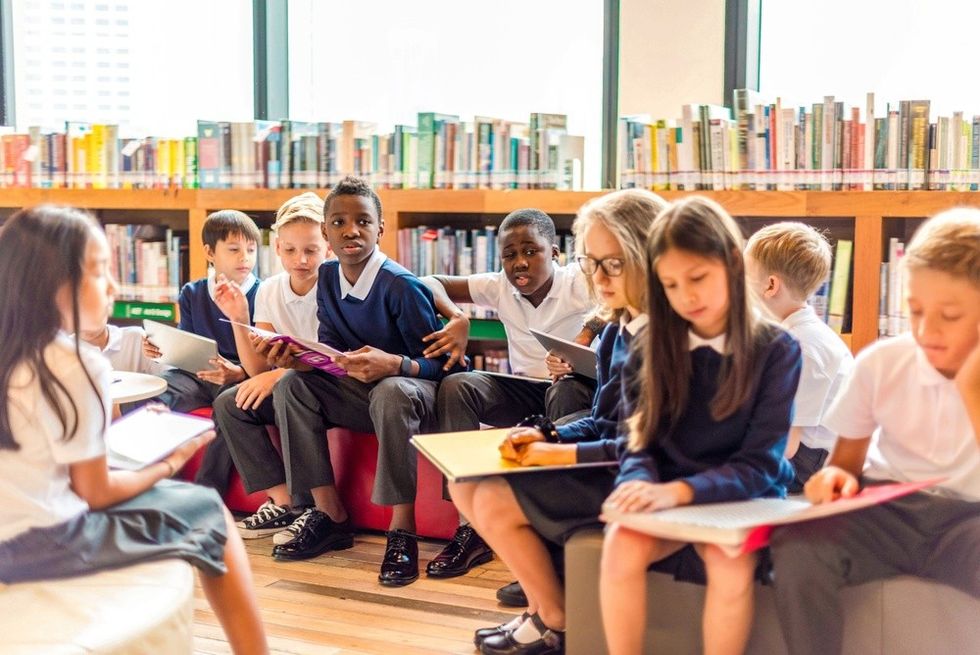 Many young people have seen or heard hateful commentary online about race, culture or religion. Shutterstock
Recent data shows the prevalence of these attitudes. In a 2022 survey, the Ubuntu Project found that 91 per cent of African Australian students had witnessed racism in school, while 87 per cent reported experiencing discrimination.
These attitudes may be carrying into broader social settings, with recent incidents involving teenagers outside the classroom.
For example, in May 2025, ABC News reported that a group of teenagers violently assaulted a Chinese couple in Sydney, significantly raising community concerns on youth behaviours and racism.
And in February, two teenage girls were caught on video, racially abusing shoppers of East Asian background in a Coles supermarket in Sydney's inner west, shouting racial slurs and assaulting the shoppers.
Research by the Australian National University in 2020 found that online spaces have emerged as a prominent site of racial discrimination for young Australians.
According to 2017 research from the eSafety Commissioner, over 50 per cent of young people aged 12-17 have seen or heard hateful comments online about race, as well as cultural or religious groups. The primary targets of such content include Muslims, Aboriginal and Torres Strait Islander people, refugees, Asians and Africans.
Smith said that, historically, racist language had been reinforced within the home. "Until the internet went mad, all of the racist stuff I saw appeared to come from parents," he said.
He believed digital environments are now playing a growing role in shaping how young people perceive and discuss race.
"The big dangerous stuff at the moment is what's happening online, because of the way algorithms work … it's rewarded."
Studies have shown that algorithmic bias on social media platforms amplifies racist content, thereby potentially shaping public discourse in ways that reinforce racial inequalities.
Peer pressure also plays a significant role in shaping racist behaviour, particularly in group settings.
A 2018 study published in the sociology journal Socius highlighted the influence of peer groups during adolescence, with research stressing that young people are particularly vulnerable to social influence. It also indicated that the attitudes of peers can shape individuals' levels of prejudice over time, reinforcing how group dynamics can normalise racist behaviour.
Smith observed this dynamic in the classroom.
"Particularly amongst the boys, absolutely. When one transgresses, there's an expectation that all will join in the transgression to build the group," he said.
This pressure can also create consequences for those who resist. "If I try and call it out then, I’ll be seen as not transgressing and therefore [I'm] out of the group," Smith said, describing how students who challenge racist behaviour may be excluded.
A 2025 study published in BMC Psychology found that social exclusion can significantly affect adolescents' psychological, social and emotional development, suggesting that fear of isolation may discourage students from speaking out and reinforce conformity within peer groups.
Those who experience racism in the classroom are often seriously affected. According to the Australian Human Rights Commission, racism can negatively affect students' attendance, engagement and overall wellbeing, with students reporting feeling unsafe or unwelcome in educational settings.
A First Nations person interviewed by the National Justice Project said the impacts of racism "forced me to drop out of school, and to this day, I still haven’t completed my schooling and I have a fear of teachers and people who are supposed to help me and support me".
Smith said the most damaging forms of racism are often subtle and ongoing:
"The thing that does the deeper damage … is that really subtle stuff … that’s felt every time," he said.
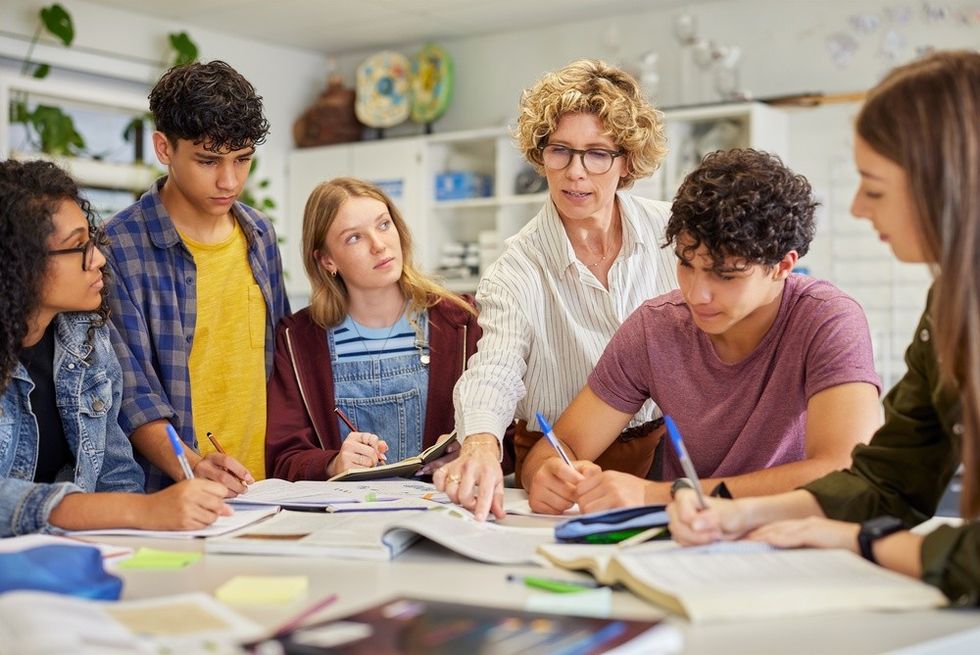 While education policies aim to stamp out racism, there is a limit to what they can achieve. Shutterstock
Schools across NSW have implemented a range of strategies to address racism, guided by policies from the NSW Department of Education.
These include anti-racism policies, reporting systems for incidents and the introduction of Anti-Racism Contract Officers in every school to support students. Educational programs promoting inclusion and cultural awareness are also embedded in the curriculum, aiming to create respect and reduce discrimination.
But Smith noted the limitations of school-based responses, explaining that external influences can undermine these efforts.
"A school might have great policies and great culture and stuff like that, but if the families, community, media are all selling a different line, then it's pretty much impossible," he said.
With racism embedded in classrooms and online spaces, Smith warns that policies alone are not enough. And he argues that schools must "build proper engagement rather than just compliance," to achieve meaningful change.
*Name has been changed for privacy