

Anime fan culture has become more obsessed with status and self, rather than focusing on the stories and ideas
In 2024, I went to Comic Up 30, a major anime and fan convention held in Hangzhou, China. I was excited to attend, hoping for discussions about the stories and art of anime.
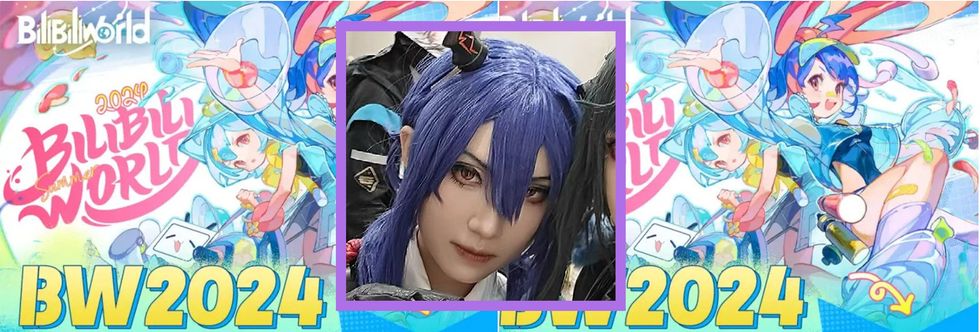
Instead, I found a kind of competition that had little to do with anime itself. People there called it "stamp-collecting culture". The goal was to take as many photos as possible with popular cosplayers. Some even compared how many photos they had collected, showing off their phones like trophies.
Worse, many of the visitors barely seemed to know the characters they were posing with. I overheard a young woman call Mikasa Ackerman, one of the lead characters from Hajime Isayama’s manga series Attack on Titan, "that girl with the red scarf" because she couldn’t remember her name. Others argued over which cosplayer looked more "accurate", but no one talked about the story. It felt as if the whole event had become a contest for attention rather than a celebration of creativity.
Anime used to be something that made people feel connected — through stories, emotions and imagination. But it seems as if the culture around it is turning into something more about status and self-display than genuine love or creativity.
As someone who has been a devoted anime fan for years, I understand how this obsession starts. I’ve travelled to Japan three times just to buy limited-edition figures and fan-made artbooks. Even after moving to Sydney for university, I still find myself chasing trends: purchasing whatever collectibles are popular at that moment, like Labubu and Chiikawa. I stood in line for two hours outside a Pop Mart store in Sydney on a scorching summer day, just to buy a Labubu blind box. And I ended up with a character I didn’t like. But the only thing that mattered was that I had gotten one before they sold out. Sometimes I wonder if this habit comes from passion or from the pressure to keep up with everyone else.
Is anime still something that helps people connect with imagination and feeling, or has it become a product for showing off taste and popularity?
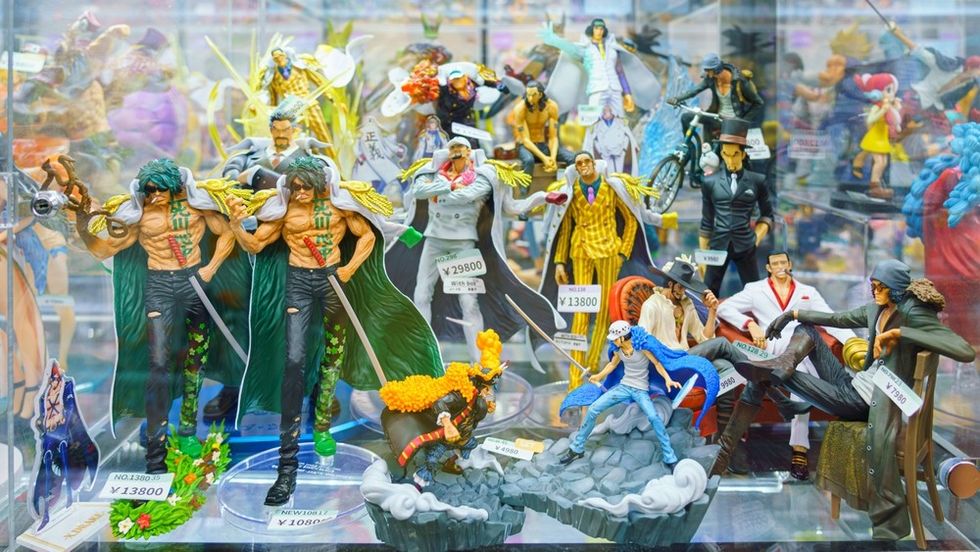 Resale value of rare figurines can reach extreme levels.Shutterstock
Earlier this year I watched the live-action adaptation of Alice in Borderland on Netflix. I’d read the original manga, so I was thrilled to see how the streaming giant would bring it to life.
But what I found was a version that felt rushed and overly polished. In its attempt to reach a global audience. Netflix simplified many of the original storylines, leaving several key moments underdeveloped. Consequently, the emotional depth of the characters — especially that of the central characters Arisu and Usagi — felt incomplete, and the psychological tension that defined the manga was replaced by fast pacing and flashy visuals.
Ironically, the show became a huge success. According to Netflix, Alice in Borderland Season 2 logged more than 215 million viewing hours in just five weeks, ranking among the platform’s Top 10 non-English series worldwide.
But popularity doesn’t mean quality.
As India Times reported, fans felt that the adaptation sacrificed emotional depth for mass appeal, aiming more to chase the next Squid Game moment than to preserve the original’s intensity. I couldn’t agree more. The series had significant budget and production values, but it lost the quiet, psychological layers that made the manga so haunting and human.
Anime is now a billion dollar global business. Popular franchises like Demon Slayer and One Piece release new merchandise and mount fan events appearing every month. Industry analysts suggest the anime industry’s growth is increasingly driven by revenue streams such as merchandise, licensing, streaming platforms, and collaborations, which help sustain production and global distribution. They argue these revenue streams pay the bills, create jobs and bring new audiences.
Some of that is true. Yet the cost becomes obvious when revenue targets appear to determine what gets green-lit. Risky ideas are trimmed into safe formulas, characters are sanded down into marketable types, and stories are paced for clicks rather than feeling.
Profit can keep anime visible, but it can also narrow what counts as worth telling.
What troubles me most is watching fandom move from shared emotion to social competition. For many young fans the excitement sits in trends: the next viral cosplay, the next limited figure, the next short video that might blow up. On Chinese second-hand platforms like Xianyu, a single limited-edition anime badge has sold for over AU$14,392 — not because it tells a story, but because it signals status.
Attention becomes the measure of value. The conversations that used to be about themes or character growth turn into debates about accuracy, exposure and numbers. Community starts to feel like a scoreboard.
For me, the real value of anime was never about ranking or collecting — it was about sitting with a story that made me feel understood.
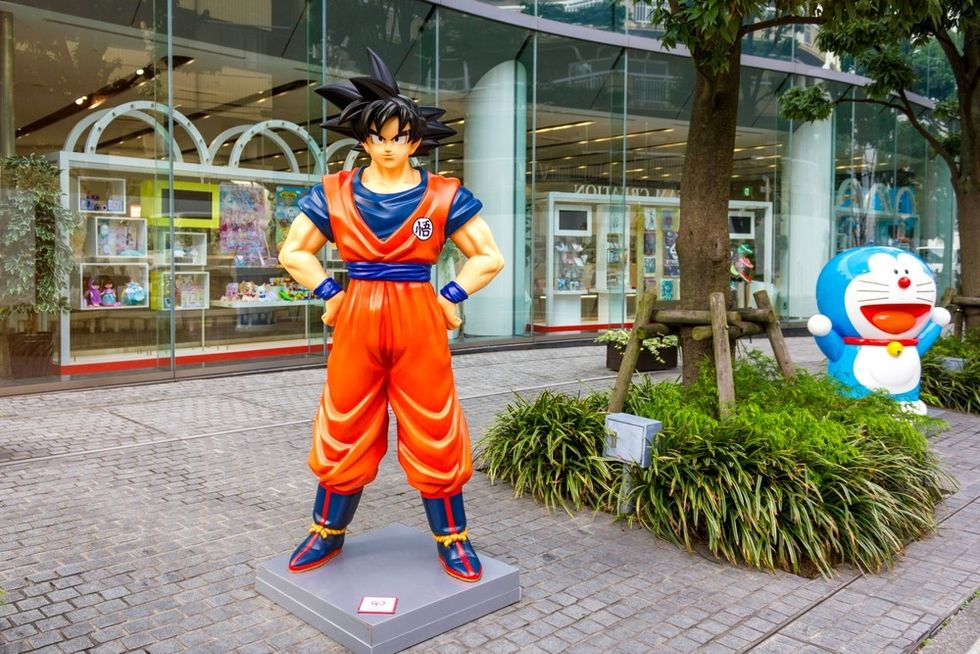 Revenue from merchandise and licensing deals helps keep the anime industry afloat.Shutterstock
No one set out to ruin anime. We live in a capitalistic system where almost everything can be turned into content or currency. But if we keep treating anime as something to collect rather than something to understand, the work loses its centre. The audience is left with images, not ideas.
This shift is not just abstract. It is visible in the way anime is increasingly consumed through metrics, merchandise, and platform-driven visibility, where value is often measured by attention. Viral scenes, limited-edition figures, and algorithm-driven recommendations can easily overshadow the slower process of engaging with narrative meaning, character development, and thematic depth that many anime works are built on.
This tendency overlooks what I love most about anime. Take Attack on Titan: it could have been just another action show about killing giants. But for me, its real power came from asking hard questions: What does freedom mean when the world wants to cage you? Who gets to decide who the enemy is?
Attack on Titan forced me to sit with uncomfortable truths — how fear can be used to control people, how easy it is to become the monster you swore to destroy.
I will never forget the final charge of Erwin Smith, the human commander in the series. That scene broke me. Not because of the blood, but because it asked: what is one life worth when weighed against a dream? These are the ideas I treasure in anime — not collectibles or status, but stories that challenge me to think.
Anime does not need to be a contest or a showcase. It works best when it lets us imagine, connect and feel. If we protect that, the industry can grow without hollowing out the art.