


The Vibrancy Reforms were introduced to revitalise the NSW night-time economy, but event organisers say more work needs to be done
Marlin Jones has been organising huge parties since he was 16. These aren’t just any events: the 20-year-old organises underground parties in unlikely spaces like warehouses or in the middle of a park.
But while these parties sound fun, they are illegal because he does not have the necessary permits.
Yet Jones continues to host them despite having trouble with law enforcement, including the police shutting down his parties and threatening to arrest him.
These issues often come down to his events not adhering to the accessibility and disability standards. These are a significant part of New South Wales’s Vibrancy Reforms, which were introduced in 2023 to encourage more live music, diversify nightlife, and boost small businesses and employment opportunities.
"Yet that accessibility is not paid for, it’s not sponsored by the government," Jones said.
He believes there should be specific grants for businesses to get their venues up to code. His inability to afford lifts and railings that would improve the accessibility of his venues is the main reason he continues to organise parties like this.
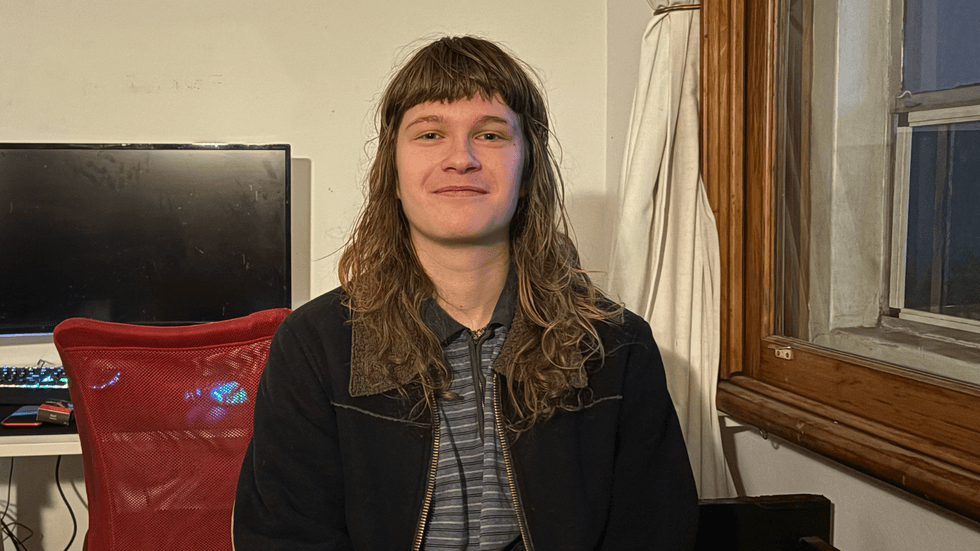 Marlin Jones reflects on his experience hosting parties and the limitations of the Vibrancy Reforms. Photograph: Joanna Yang
He’s frustrated with other aspects of the reforms.
"The infrastructure isn’t there to support a 24-hour city," he said, pointing to the lack of transport. "If you want to get a train past 1am, it’s impossible."
So, while the reforms have been successful in certain areas, some of those who should be benefitting from the reforms say more work is needed.
Government could do more
The goal of the Vibrancy Reforms is to improve NSW’s night-economy and in turn drive growth, support workers, and strengthen cultural life. And since they were introduced in 2023, the reforms have cost $150 million.
Those that have been introduced have simplified sound regulation and supported live music, added more flexibility for businesses to use outdoors for dining and events, streamlined the liquor licensing process, and introduced an enhanced framework to work with councils.
However, those involved in the night economy say the limitations of the reforms are why the goals haven’t yet been reached.
Lachlan Dale, a musician and label and events manager says the reforms’ goal of diversifying night life is falling short due to the economy.
"I think the challenges are real estate prices [and] cost of living, I wonder if people are even able to afford to continue to go out and see concerts," he said.
 Live music being performed in Sydney, organised for Take Flight AU’s fifth anniversary. Photograph: Diamandis Charalambous
Several smaller venues with the capacity for 40-100 attendees, like Lazy Thinking in Dulwich Hill and Bar 185 in Marrickville, have recently closed.
Dale said smaller venues are important to help to cultivate a grassroots music scene.
"These small-scale venues help musicians try stuff out, develop new work, develop skills in performing … It’s an important feeder to the whole music community," he said.
He said there are ways that local government can help with this decline in smaller music venues.
"It seems potentially government non-profit venue initiatives could be quite interesting," he said, but added that Sydney is still far from that initiative.
Cutting red tape
Recently the Seeker Coffee café hosted a midday party in Cabramatta’s Freedom Plaza. The event featured vendors, a portrait booth, and live dj sets.
Café owner Jimmy Troung said: "As a long-time local, I always felt that we were long overdue for an event like this."
After the event’s success, he’s considering keeping the café open later and applying for a liquor licence.
But Troung said he's finding it difficult as there’s "too much red tape." This difficulty comes despite the reforms' goal to streamline the liquor licence application process.
Speaking to The Shout in 2023, when the reforms were announced, the NSW 24-Hour Economy Commissioner Michael Rodrigues said: "We’re on a mission to remove unnecessary burden on venues so they can focus more on customer experience and spend less time battling red tape."
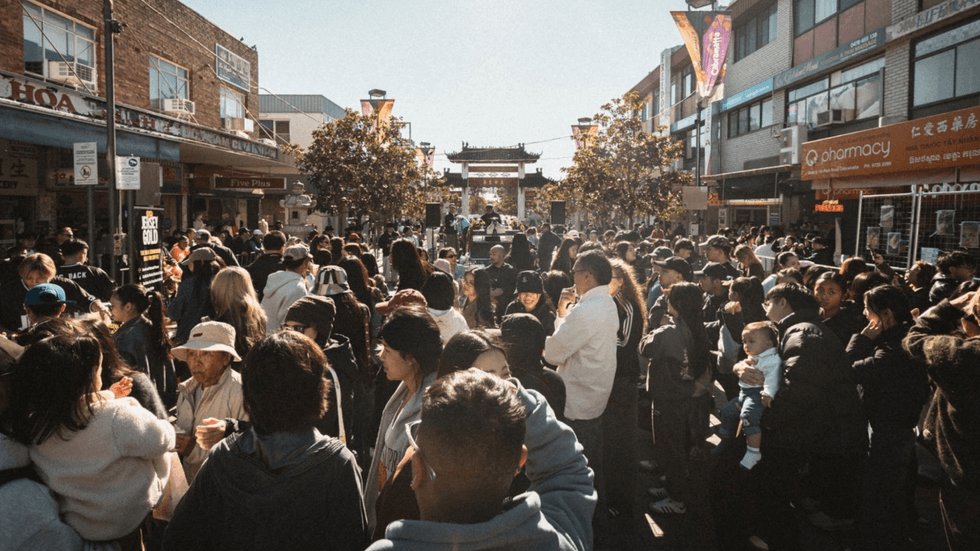 Locals in Cabramatta enjoy the live music and DJ sets being performed on the main street hosted by Seeker Coffee. Photograph: Joseph Gravante
But Troung said more needs to be done.
"It is easy to throw money to a cause and hope for the best but to have a strong night life, the foundations of the industry need to be strong to begin with.
"Businesses are impacted if there is not the right infrastructure or support to allow healthy contribution to the community and in turn the hospitality industry," he said.
"The community are just as affected if these businesses aren't providing the space and culture for them to connect with."
Some wins
The reforms are working for some sectors, such as pubs and music agents.
"It’s been amazing," said Kirk Burgess, owner of music agency Entertainment Solutions Sydney.
"We book about 70-80 shows a week currently. A year ago, that was more like 60; a year before that, it was probably more like 40," he said.
"The artists that we have working for us, they’ve got as much work as they can handle."
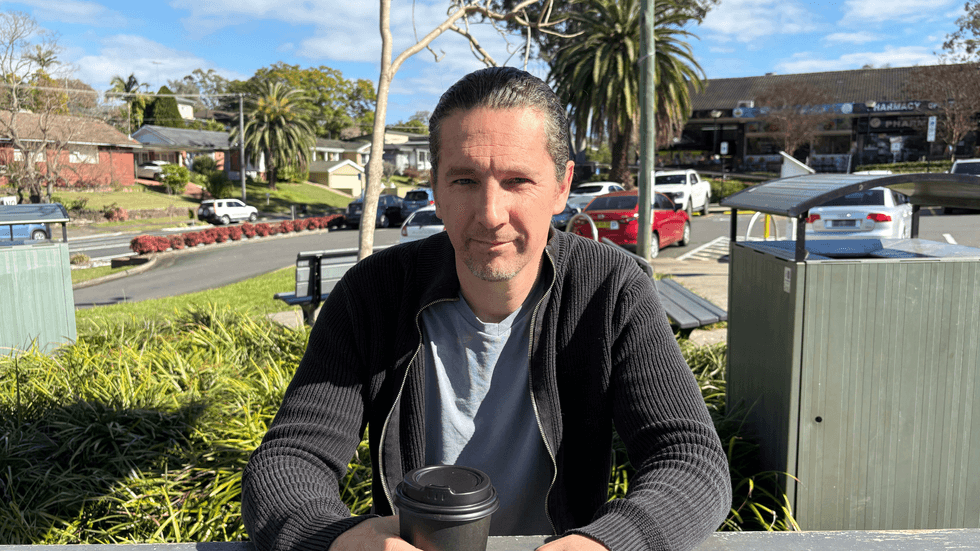 Kirk Burgess is grateful for the Vibrancy Reforms boosting his business as a music agent. Photograph: Joanna Yang
Since 2023, the number of venues offering live music have quadrupled, from 133 to 564.
"To see the number of venues quadruple is a great sign that our Vibrancy Reforms are working," John Graham, the state minister of music and night-time economy, said in a statement in March.
What’s next?
A spokesperson from the Office of the 24-Hour Economy Commissioner acknowledged that some reforms are still being implemented, including further proposed changes to the Special Entertainment Precinct framework.
"This work is being led by the Department of Planning, Housing and Infrastructure, which is currently considering submissions made via the Vibrant Precincts State Environmental Planning Policy Exhibition of Intended Effect (EIE)."
The spokesperson says the planning committee sought feedback from businesses, the community and councils on a wider range of activities that could proceed as exempt or complying with development within Special Entertainment Precincts.
"It is up to the NSW Government to decide whether further reforms will be pursued beyond those that have already been committed to," they added.
Organisers are looking forward to seeing what happens next.
"There’s so much in these reforms that is positive … They’ve consulted venues and musicians, and industry people to put these reforms in place, which is great," Burgess said.
"[However] entertainment, it’s a fragile thing. It needs to be nurtured."
Lachlan Dale would also like to see the focus on reform continue.
"We have truly some of the best musicians in the world. … I hope the government sees that and invests in it because it does lead to revenue growth down the line," he said.




France protests, Christa Pike survives and Messi retires