

The Great Western highway closure at Victoria Pass affects thousands every day. It also exposes a growing divide between the Central West and the city.
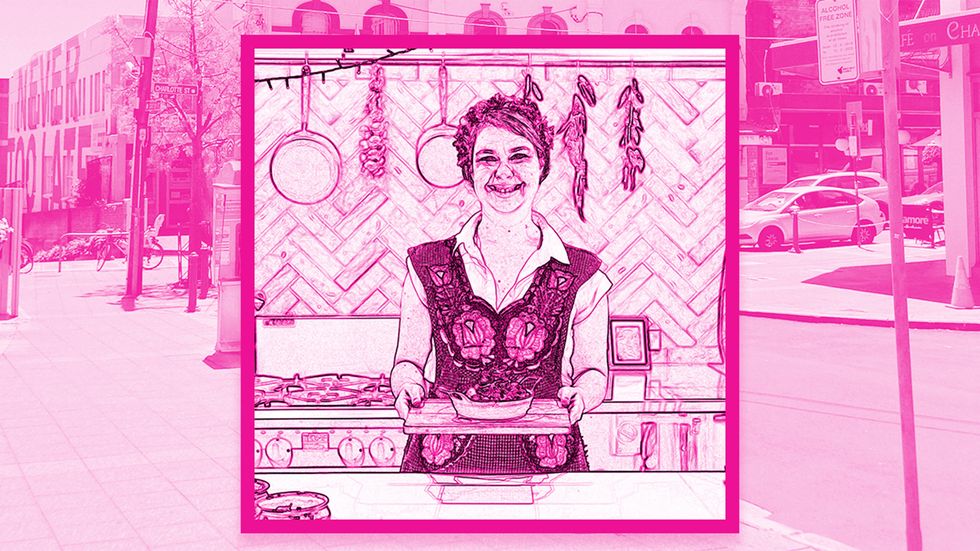
Jacqueline Nagy, a Woolworths Lithgow employee lives on the same street as her workplace, just a couple of blocks up the road.
"Normally it takes me less than ten minutes to get to work," she says.
"It takes me half an hour now, and not even in peak hour traffic."
Mort Street, where her workplace is located, is one of the routes leading to Chifley Road, currently the only way out of the Central West.
Almost two months ago, panic struck those in the Central West and Blue Mountains area when cracks were discovered in the Victoria Pass, forcing traffic to bypass the area through Lithgow and causing chaos.
 Locals have been concerned about the state of the region's roads for a long time. Shutterstock
The pass, known as the gateway to the Central West, is on the Great Western Highway and it's located between Mount Victoria and Hartley. Around 12,000 vehicles use the pass every day, according to Transport for NSW.
For over 200 years, it’s been the main connection between the regions and the city for commuters, locals and heavy vehicle haulage, so the pass’s closure has significant implications.
For many locals, their livelihoods have been compromised and their communities have been cut off.
And it demonstrates the divide between city and regional communities, bolstered by what appears to be a lack of government support when it comes to providing equal resources across the state.
Deep cracks in the road
The shutdown of the Victoria Pass came suddenly after discovery of deep cracks and movement on the surface of the road.
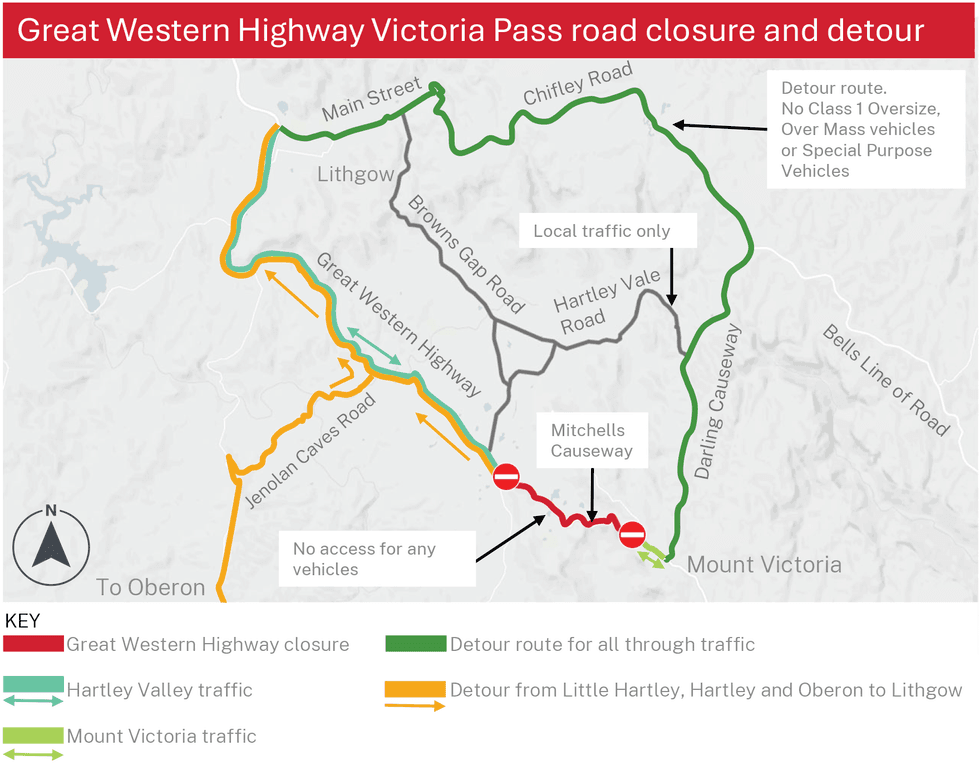 The detour adds a significant amount of time for locals. Live Traffic
Initially, Transport for NSW declared the road closed for two weeks for geotechnical investigation.
Then it was due to reopen after three months.
But in April, Jenny Aitchison, the state's Minister for Roads and Regional Transport, said: "It is clear that it will be longer than three months, but I am not going to put a figure out there because that would be irresponsible."
The geotechnical investigations taken on the road since its closure revealed a much larger issue than originally anticipated.
However, this comes as no surprise to locals.
For over six months in 2025, roadworks were carried out on the stretch of road, partially closing off lanes during the day, and completely closing the pass from 8pm to 5am each night.
It also reignited long-standing concerns about the region’s infrastructure.
For years, there have been anxieties over the state of the Central West’s roads, as well as the region's growing need for more public transport services.
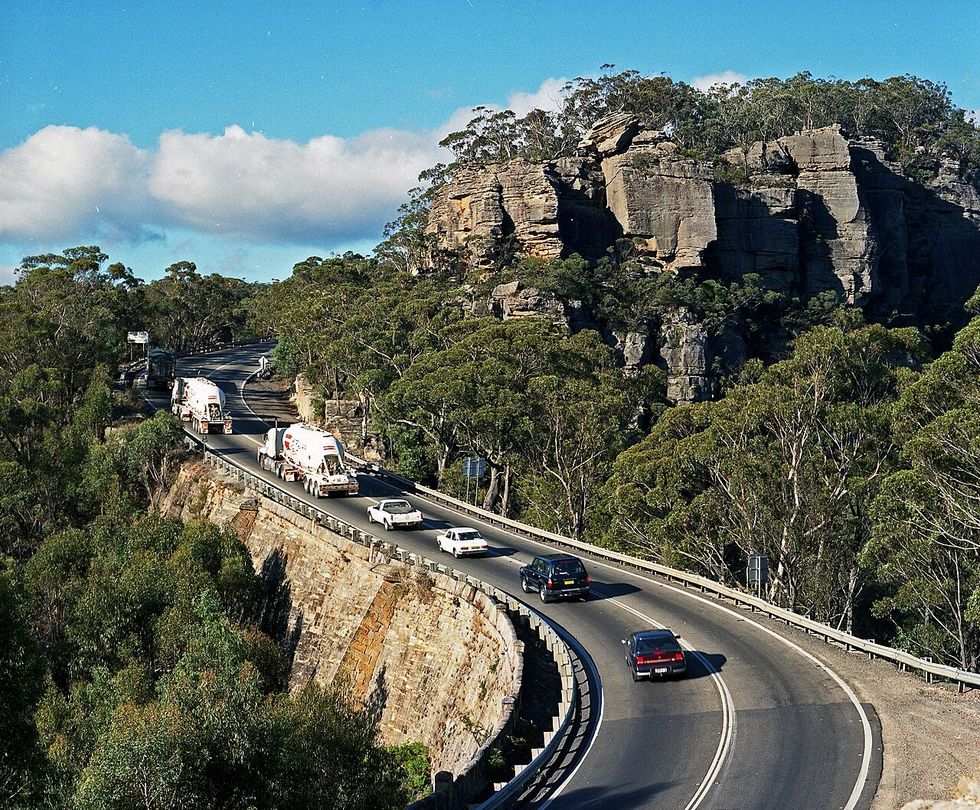 As pictured in 1994, Victoria Pass has long been a busy traffic spot in the area. Wikimedia commons: Neil Billington, Blue Mountains Library, Local Studies Collection
Last year, the state government released the draft Central West and Orana Strategic Regional Integrated Transport plan, explaining its plans for better roads and public transport services in the area.
It outlines the government’s plan to increase accessibility and decrease the huge number of fatalities on regional roads.
According to the report, the region's current crash fatality rate is "about three times the rate for all NSW" and "almost double the rate for regional NSW".
It's another reason why regional communities are concerned.
A community that feels abandoned
Paul Toole, the Shadow Minister for Regional Transport and Roads, knows the situation is affecting people across the Central West.
He points out that the closure not only impacts regional communities, but also has implications statewide.
"Regional communities like the Central West provide almost $30 billion back to the economy of New South Wales," he says. "All of our food and fiber and our goods and services that come in help to keep the economy of New South Wales going.
"So the closure of this road will have an economic impact."
Toole says the ongoing issue of poor road quality is a major problem for regional communities.
"This is about equity," he says. "This is about making sure there is an equal distribution of funding to build the roads and the infrastructure that is required in regional communities as much as those living in the city."
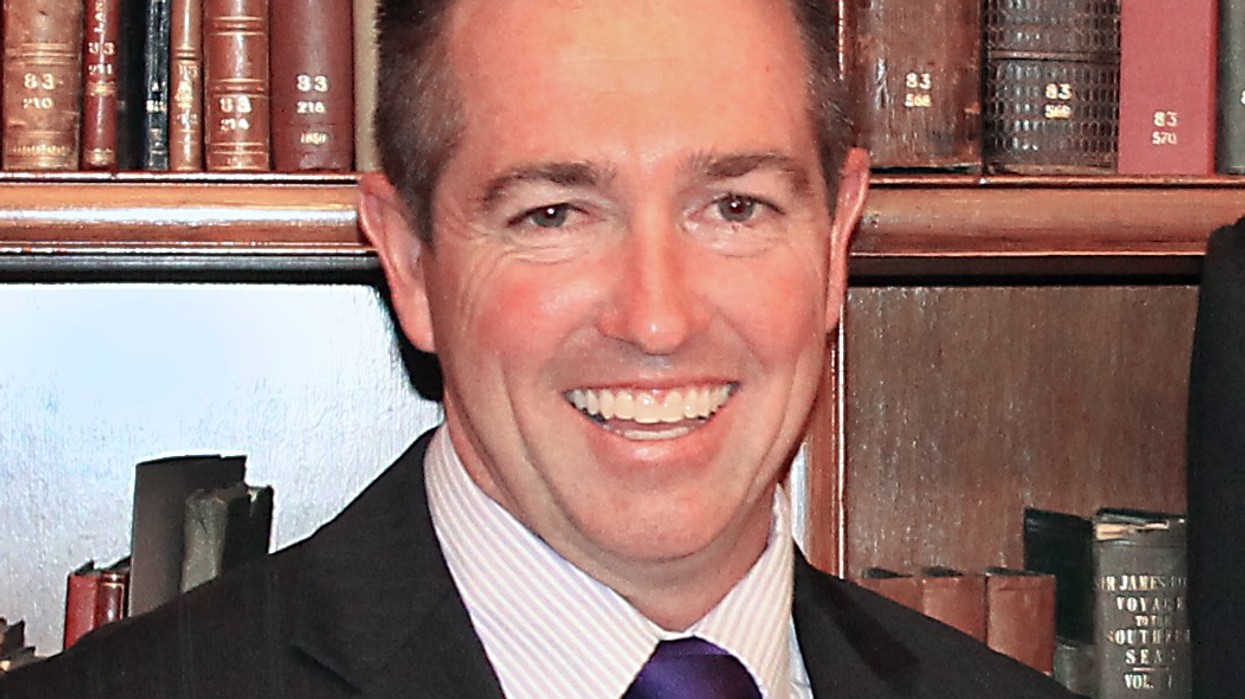 Shadow transport minister Paul Toole says he knows locals feel abandoned by the ongoing closure of the pass. Wikimedia Commons
The recent announcement of the opening of Sydney’s new M12 motorway — a $2.1 billion road connection to an airport that is yet to start operating — by Minister Aitchison rubbed salt into the wounds of isolated Central West communities.
"People in the Central West, they feel abandoned," Toole says.
"They feel as though it's a very city-centric government … a government that wants to build and invest in the infrastructure in the city, but forget about regional communities.
"It is like shutting down the Sydney Harbor Bridge", he says, "If that was the case, heaven and Earth would be moved to reopen it."
A life line for patients
Questions have been raised about Minister Aitchison’s handling of the situation.
For weeks, locals were left in the dark about the closure and what they could expect in the future.
Then, in a recent media release, the minister expressed regret about the situation.
"I know this closure is causing real hardship for families, workers, school communities, freight operators and local businesses," she said, "and I am deeply sorry for that disruption.
"But there will be no shortcuts on safety, we will not risk lives."
Workers and patients within the Central West health system may see the safety issues differently.
Small in staff and size, Lithgow Hospital relies on its Nepean counterparts for patient treatment beyond what is offered locally.
Often patients are transferred directly from Lithgow to Nepean Hospital, so the closure can affect the efficiency of patient transport.
It also draws into question the ability of emergency services to attend medical emergencies if Chifley Road is congested or temporarily closed.
The minister was contacted for comment but did not respond.
Cutting off families
Julie Kouch, a student and former resident of Lithgow, senses this growing cultural divide between city and regional communities.
Her father, a small business owner in Lithgow, has become disconnected from his family because of the closure.
"We can usually only see him on the weekends because of his work schedule," she says.
"Now since the closure, we barely see Dad at all."
She and her family haven’t risked travelling on the roads since the closure.
"We think it’s dangerous to be driving on the roads, especially given the conditions they’re in."
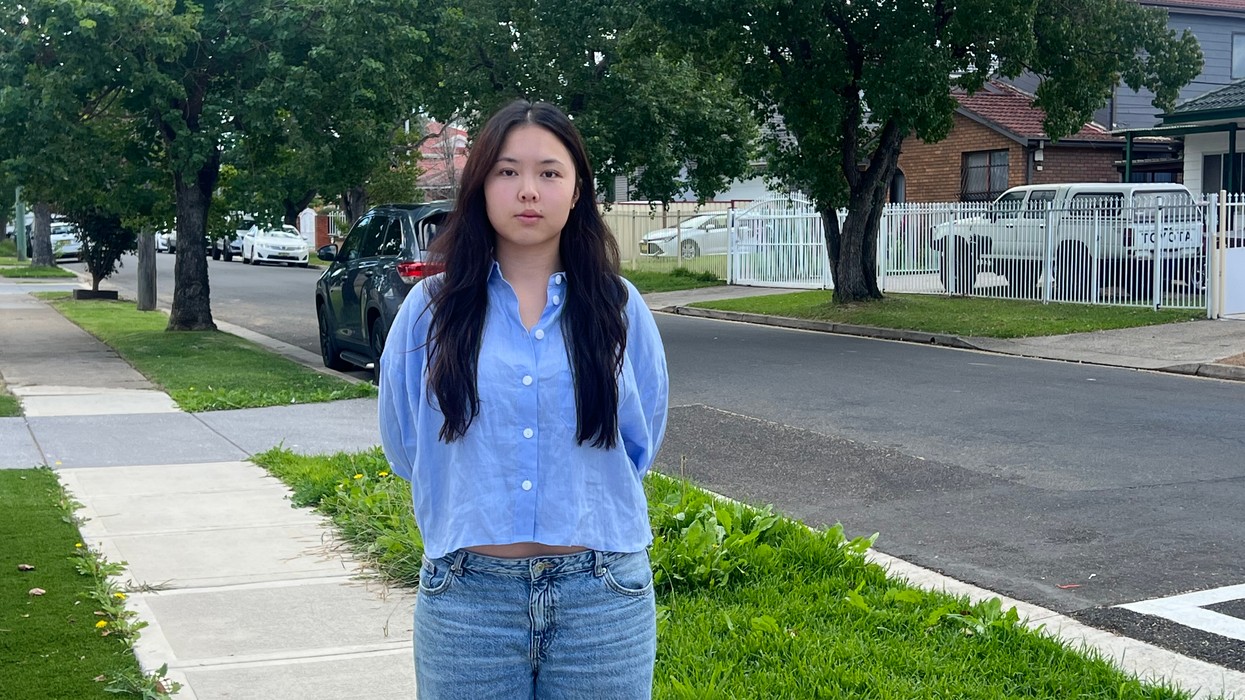 Julie Kouch hasn't been able to see her father as often as she'd like because of the closure. Photos: Ella Mickklesson
She moved to Sydney’s western suburbs just over two years ago, and has noticed the differences between the infrastructure and maintenance of that area compared to the Central West.
"The roads aren’t really in poor condition like they are in the West," she says. "And if they are, they get fixed pretty quickly."
She also notes a lack of awareness of issues outside of the city’s scope from those around her.
"I haven't had a single conversation with anyone about the Mount Victoria closures with anybody from Sydney," Kouch says.
"I don’t think they see the negative impacts and how much this has affected people," she says, "mostly because the city is so much more supported than the country."