

The creators of this film seem so determined to tell people what to think that they forgot to leave room for audiences to think for themselves.
Review
The Social Reckoning
Rating: ★★☆☆☆
When I sat down to watch The Social Reckoning, I knew I was going to compare it to the Oscar winner The Social Network. Yet, as I watched, I realised the closest it comes to David Fincher’s masterpiece is a reference to the Zodiac killer.
In 2010, filmmaker and screenwriter Aaron Sorkin took home the Oscar for Best Adapted Screenplay for The Social Network. Now he returns to the world of Facebook, this time taking over the director reins from Fincher.
The new film depicts the 2021 events that took place when Facebook whistleblower Frances Haughan and Wall Street Journalist reporter Jeff Horwitz exposed the platform's inner workings. It examines Facebook’s influence on American political and social life, and the weaponisation of social media for political means.
It is a story about manipulation and morality in a system seemingly determined to erase the latter.
But unfortunately, Sorkin seems to have lost his touch this time round.
- YouTube
When The Social Network premiered in 2010, Facebook was still a relatively young platform with 500 million users. Sixteen years later, the platform has expanded dramatically, with its stated goals of connection having grown more sinister.
The spread of political misinformation and revelations about the platform’s effects on mental health have altered public perceptions of Facebook, now known as Meta.
And where Fincher’s film dramatised the origins of this empire, The Social Reckoning highlights the damage it has caused since then.
Fincher has become a household name, from his early work including Fight Club (1999) and Zodiac (2007) to his post-Social Network films including The Girl with the Dragon Tattoo (2011) and Gone Girl (2014). But his busy schedule gave Sorkin the opportunity to step into a directorial role.
Best known for scripting television dramas such as The West Wing and The Newsroom and screenplays for A Few Good Men, Moneyball and Steve Jobs, Sorkin has directed films like The Trial of the Chicago 7 (2020), which scored a remarkable 89 per cent Rotten Tomatoes.
 Aaron Sorkin has moved from screenwriting to directing filmsShutterstock
So, with such an impressive resume, how did he miss the mark with The Social Reckoning?
For example, with the assistance of a literal onscreen timeline and while he leaves little ambiguity about the film’s events, somehow Sorkin still leaves audiences guessing who’s being discussed during the January 6 scenes. It’s as though we’re watching Harry Potter and the Philosopher’s Stone, with Hogwarts students still terrified to utter the word Voldemort.
Except, in this case, Voldemort is Donald Trump, and the film’s refusal to name him risks stripping the January 6 insurrection of the socio-political context that makes it significant.
Sorkin may as well have handed the audience the Facebook Files and told us to read them. For these documents, released in 2021 through the efforts of Haughan and Horwitz, would have been easier to get through.
The main performances are mixed. After sharing the box-office disappointment of Springsteen biopic Deliver Me from Nowhere, Jeremys Strong and White have found each other again and deliver convincing portrayals. However, Strong’s awkwardly angry Zuckerberg struggles to escape the shadow of Eisenberg’s 2010 interpretation of the fledgling Facebook founder. This is likely down to Sorkin’s rigid depiction of an emotionally stunted, socially detached figure, leaving the actor little room to develop the character.
Meanwhile White as journalist Horwitz spends much of the film deadpanning his lines, despite repeated volleys at his intelligence. These are strange attacks on the Pulitzer Prize winner responsible for a meticulous nine-part exposé of Facebook.
It's Oscar winner Mikey Madison’s portrayal of whistleblower Haughan that is the most questionable. The character is so relentlessly serious that her moral conviction and seemingly religious trust in Facebook’s mission becomes more irritating than compelling.
The film attempts to be menacing. First up, Facebook seemed to have its own musical cue, with an overdramatic, ominous score accompanying every mention of the platform, a rare miss for Academy-Award-winning composer Alexandre Desplat.
But the attempts go beyond the soundtrack. One of the film’s many unrealised characters, Andy, goes so far as to warn that "the Mafia would be an easier enemy to make".
Watch out, Zuckerberg is back, and this time he’s allowed to swear, unlike in the 2010 depiction. Apparently, making Snarky Marky drop the f-bomb is enough to make him threatening. Instead, it just felt unnatural.
From rainy weather to queer baiting, is there anything The Social Reckoning doesn’t leech from the original? Yet somehow Zuck’s pseudo-romance with former Facebook advisor Charlie Garrigan, portrayed by Bill Burr, just doesn’t hit like the OG dynamic between Jesse Eisenberg (Zuckerberg) and Andrew Garfield (Facebook co-founder Eduaordo Saverin).
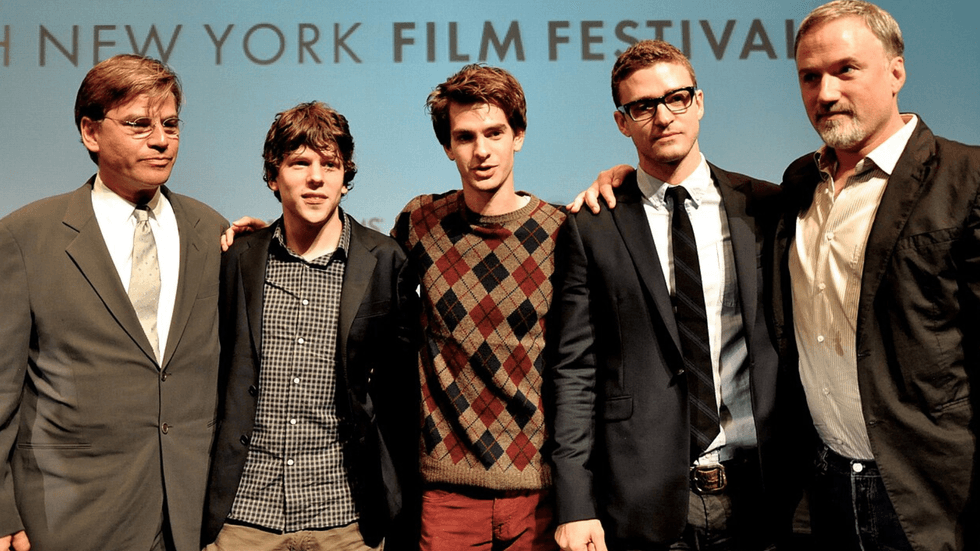 Sorkin, Jesse Eisenberg, Andrew Garfield, Justin Timberlake an David Fincher were all widely applauded for the 2010 hit The Social Network Wikimedia Commons
The film is so determined to tell audiences what to think that it forgets to give us room to think for ourselves. And its characters rarely miss an opportunity to over-explain the moral implications of events.
For example, it explains every minute detail yet somehow leaves me feeling sorry for a conflicted Zuckerberg in his war room as he battles whether to remove Trump’s inflammatory January 6 posts from his platform or not.
The truth is, Pixar’s Toy Story 5 was more effective at stirring tech-driven outrage among audiences with its cast of children’s toys. The only thing that The Social Reckoning manages to enrage is audiences like me. I could not stand the jarring sarcasm that every single character possesses. And those bizarre film noir segments of Zuckerberg in his conference room look less like a stylistic choice and more as if they were filmed on an iPhone to recreate the dark, moody cinematography of Fincher’s The Social Network.
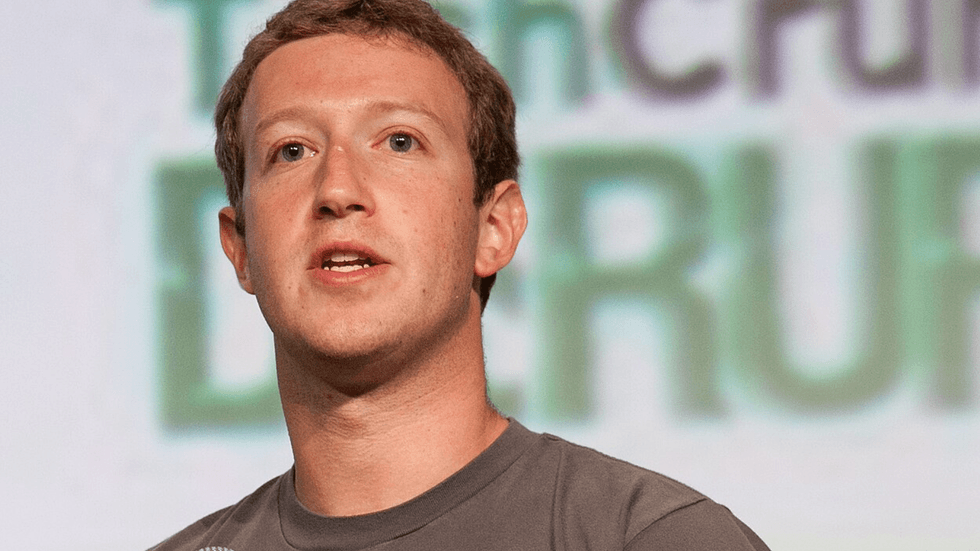 Zuckerman comes across as socially awkward in the new Social Reckoning film Wikimedia Commons
Thankfully, there are moments when Madison and White’s onscreen chemistry offers some enjoyment for viewers. Their development from tense strangers to trusting friends gives the investigation a much-needed emotional arc.
This relationship is the backbone of the film’s achievements, culminating in an almost tear-jerking conclusion that briefly allows audiences to forget everything else.
Unfortunately, that positive note is disrupted by the epilogue in which Sorkin rushes through the missing second half of the story that he couldn’t fit into the film’s 112-minute runtime, including a final dig at Horwitz for learning how to operate a GPS. Fact or fiction, the film continually asks audiences to accept details like these without establishing their significance.
Sitting in a cinema so silent that the only genuine laughs came from a Gilligan’s Island reference, I realised one thing: despite Sorkin’s desperate attempt to reprise his past glory, the only thing The Social Reckoning has in common with its predecessor is two-thirds of its title.