

Moving abroad can be liberating, but it's often tangled with homesickness and uncertainty. And belonging can take much longer than anticipated
The chilli paste is wrong.
I’m standing in the international aisle at Coles, and I’ve been here too long. The bottle in my hand looks similar, with the same red words, a similar price point, but it’s not the one my mother uses. Not the one that makes fried rice taste like Saturday afternoons in Singapore. This one’s from Thailand. Those behind this brand think adding garlic compensates for missing the burn I’m looking for.
Three aisles over, I give up on finding heavy cream and buy something called "thickened cream" instead. Sounds similar enough: maybe it’ll work for my Mum’s Singaporean-style chicken curry. Maybe not.
These are small failures. Laughable, even. But standing here, I’m fighting the urge to buy six bottles of the wrong chilli paste just to feel like I’m trying.
I realise this is what homesickness feels like. Not dramatic. Not tragic. Just a subtle ache that lingers in everyday moments, disguised in grocery shopping.
I’ve just started studying in Sydney, and already it feels like I’m living two lives. One is filled with lectures, shared groceries and late-night Macca’s runs. The other exists in messages from home, gossip updates from friends, and my mother’s daily "Have you eaten?" WhatsApp messages. A question that isn’t really about food.
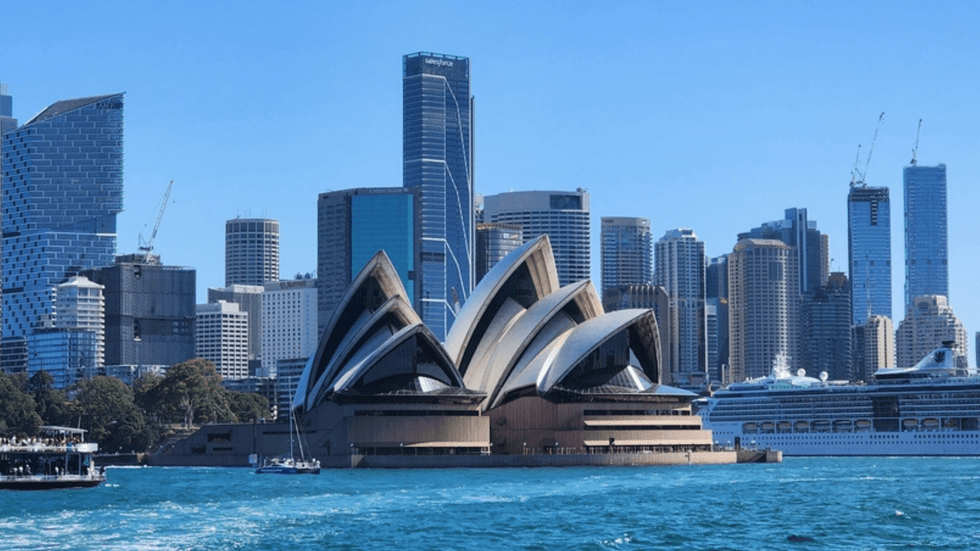 Cultural identity follows us, whether we live in Sydney, Singapore or somewhere else. (Shutterstock)
People often say that moving abroad is liberating, that it’s a clean slate, a chance to reinvent yourself. For many, leaving home represents independence or escape, proof that you can make it on your own. And they’re not wrong.
But what’s often left unsaid is how independence can come tangled with absence. The meals you can’t replicate, the languages that feel softer when spoken to the right person, the quiet guilt of starting to adapt.
Because adaptation is not the same as belonging. You can learn to read train maps, master the quickest route to school, even start saying "I reckon" unironically, and still feel like a visitor.
What I’m learning is that belonging takes longer than anyone admits.
It’s not found in the moment you unpack your suitcase. It’s something you build slowly, through routines, friendships, and the small mistakes you’ll laugh about in the future. But in the meantime, the in-between space can feel unsettling, that limbo between comfort and curiosity.
Research from the University of Melbourne’s Centre for Student Equity found that international students who feel pressured to completely assimilate experience higher rates of anxiety and depression, compared to those who maintain strong cultural ties.
Researchers have also long noted that the expectation of assimilation is itself a significant source of stress, linked to symptoms of anxiety, depression, and grief among those navigating new countries.
Together, these findings point to the same truth: the integration of dual cultural identities, rather than the abandonment of one, is what helps maintain emotional stability in cross-cultural environments.
It’s a reminder that cultural identity isn’t something to outgrow, it’s something to carry.
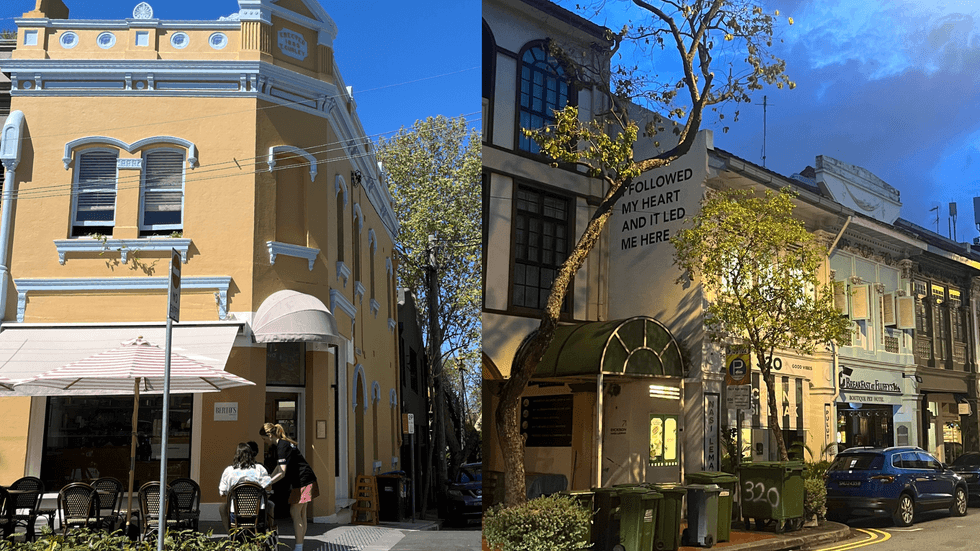 There are similarities between cultures like Sydney and Singapore, but also significant differences. (Photos: Tasha Ting)
We like to romanticise the idea of "starting afresh," as if identity can be traded for a new postcode. But for many of us, it’s less about shedding one self and more about learning to stretch across two.
When I call home, I feel both close and far. My Mum tells me she made braised chicken for dinner, and she goes quiet after saying, "It’s too quiet without you." I don’t know how to respond, so I let the silence sit between us.
I hang up and microwave leftovers, knowing she’d insist it tastes better fresh.
In Singapore, everything feels fast, familiar, warm. The people who walk like they're already late for the next thing, the train routes I know by heart, and the thick press of the humid air.
In Sydney, everything feels slower, roomier and new. The streets feel less hurried, a sky that opens up where buildings would be back home, mornings that smell like fresh dew.
I miss one when I’m in the other, which means I’m always missing something. Maybe that’s the trade-off for having more than one place that matters.
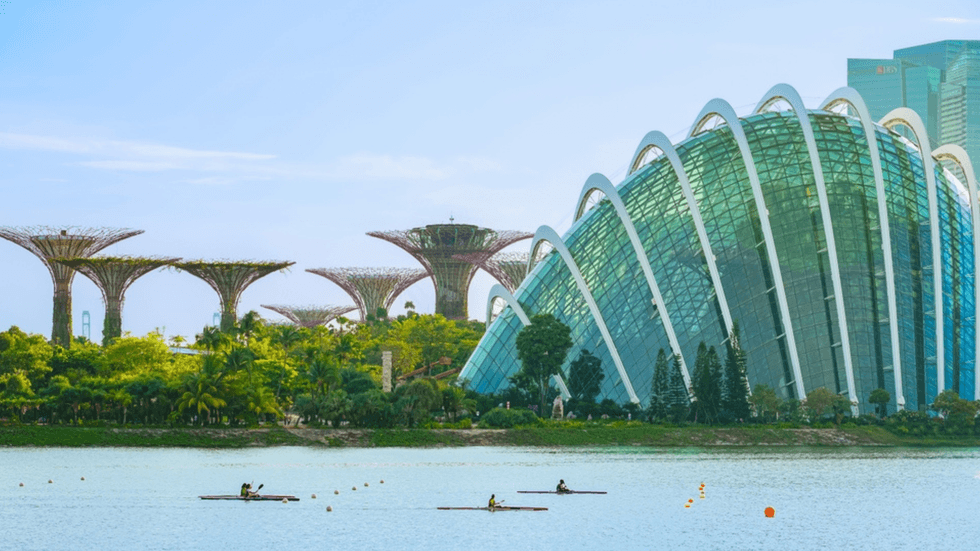 Singapore has a different pace to Sydney (Shutterstock)
So maybe, the goal isn’t to belong completely. Maybe it is to grow comfortable with partial belonging, to stop seeing home as a fixed location and start seeing it as a practice. Something you keep rebuilding wherever you go.
The chilli paste is wrong, and I’m still not sure if I got the right cream.
But maybe that’s what growing into a new place looks like: finding ways to improvise.
The curry won’t taste exactly like Mum’s, but it’s mine. Somewhere between two homes, approximation starts to feel less like failure and more like translation.
For those constantly on the move, belonging isn’t about choosing one world over another. It’s about learning to carry both. The accents, the recipes, the silences, the warmth. It’s messy and sometimes lonely, but it’s also a kind of freedom.
And even in a different supermarket and with different ingredients, you can still make something that tastes like home.