

NSW government have announced the next phase of reforms for nurses and midwives following the landmark pay increase
In July, NSW nurses and midwives will receive a 3 per cent pay increase. This follows the April announcement of a raft of wage increases, including a pay rise of up to 28 per cent for assistant nurses and midwives, all backdated to July 2025.
These historic pay rises come after the NSW government announced the next phase of its healthcare staffing reforms, pledging to deliver an additional 2,480 nurses and midwives to public hospitals.
In April, the Industrial Relations Commission acknowledged that nursing work had been historically "undervalued", an acknowledgment that followed a two-year negotiation between the NSW Nurses and Midwives’ Association (NSWNMA) and the state government.
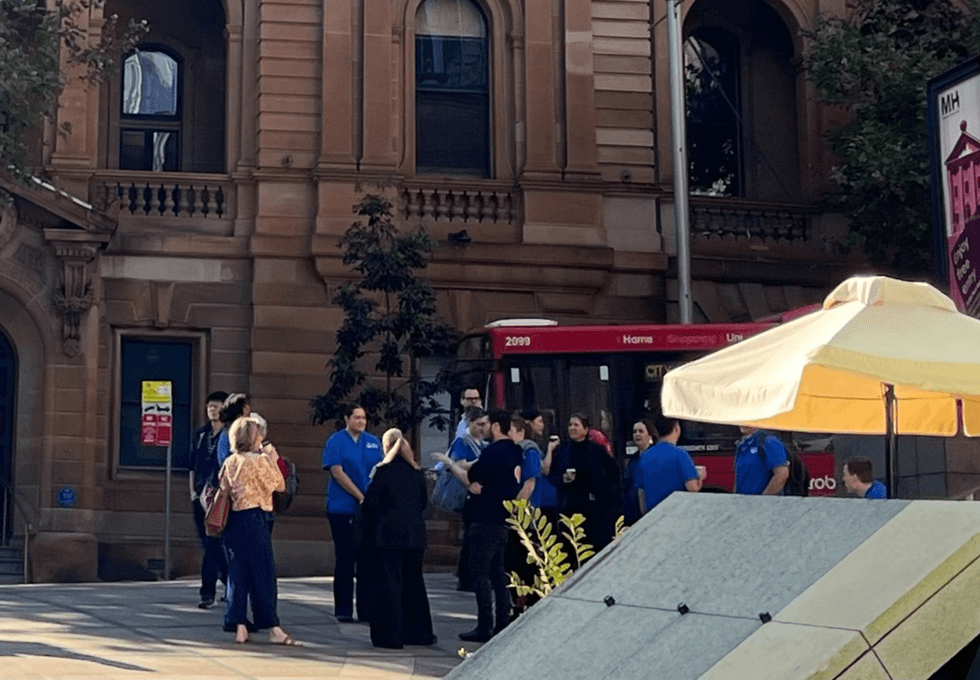 The historic pay rise of health care workers comes after weeks of hearings. Photo: Grace Smyth
Justice Ingmar Taylor awarded the pay "reset" on three grounds: the cost of living, work value changes and gender under evaluation.
During the hearing, Justice Taylor made a historic acknowledgement of nursing's "invisible work" and its pay gap as a female-dominated profession.
He said there was a "real possibility their work is undervalued for gender reasons".
First step in improvement
The ruling awarded a total increase over three years of 16 per cent for registered nurses, 18 per cent for enrolled nurses and 28 per cent for assistants in nursing.
This increase includes the previously awarded 3 per cent interim pay increase and is the largest rise for nurses and midwives in NSW in over two decades.
The pay increase was an early but key step of the current Labor state government's Safe Staffing Levels rollout, which aims to upgrade the state's healthcare system by improving working conditions and nurse-to-patient ratios.
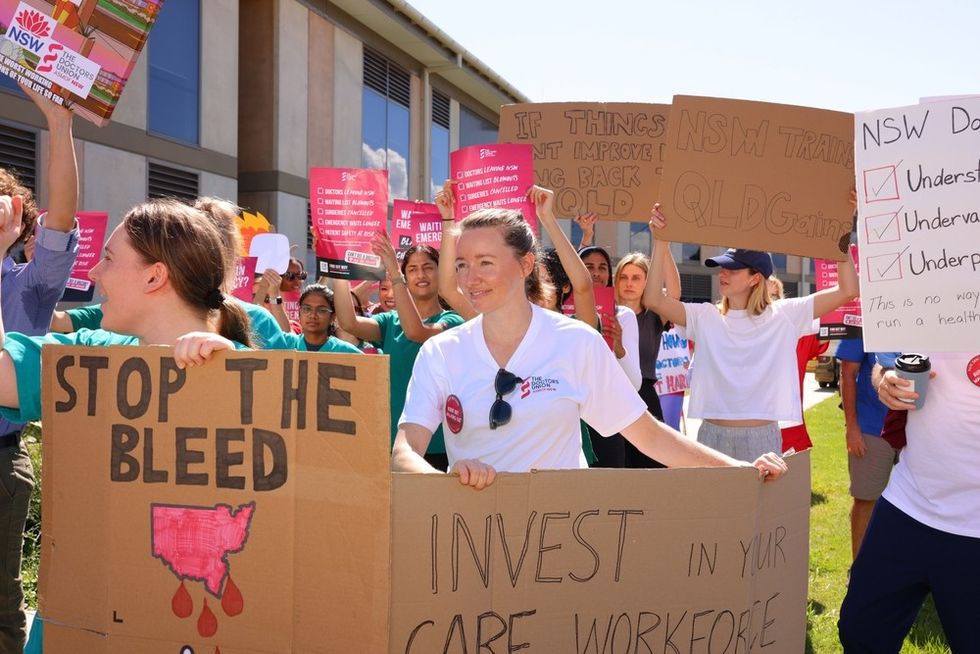 Union spokespeople have said the recruitment of new healthcare workers is hampered by the low levels of pay. Shutterstock
The state government has recently announced that the next phase of the rollout will "introduce a minimum staffing level of one nurse to four patients for morning and afternoon shifts in general medical, surgical and specialty wards in NSW public hospitals."
The ratio requirements aim to combat record rates of hospitalisations and alleviate the pressure on nurses, with Premier Chris Minns saying the changes will ensure "our healthcare workers have the support they need to continue delivering the highest standard of care."
However, NSWMNA General Secretary Michael Whaites argued that "the recruitment and retention levels in NSW health were being hampered because of the pay they receive".
And rural nurse and executive NSWNMA member Jill Telfer called for the government to "stop giving … platitudes", adding that "we are going to keep bleeding staff to other states until it's addressed."
Impact on taxpayers
The pay increase decision came after six weeks of hearings that concluded in November 2025, during which 17,000 pages of evidence were examined.
The dispute escalated to the court for arbitration after negotiations between the NSWNMA and Labor state government failed.
While the NSWNMA received more than the government's initial proposal of 3.5 per cent, it fell short of their bid for a 35 per cent increase.
 During the hearing, the judge noted that nurses work was undervalued for gender reasons Shutterstock
The commission heard that the full increase would have detrimental economic impacts, with every 1 per cent increase costing the government $74.5 million a year.
The Industrial Relations Commission decision found that any increase in pay impacts the economic position of the NSW government and Australia, "with the potential to put upward pressure on interest rates".
NSW Treasurer Daniel Mookhey welcomed the increase, pledging to uphold the commission's decision.
However, he stressed the impact it would have on taxpayers and the estimated billions of dollars it will cost.
In a press conference, he weighed up this impact with the needs of the health professionals saying:
"I'm not going to tell a nurse or a midwife that, at a time of high inflation, somehow they have to take one for the team."
Mixed emotions
NSWMNA's Michael Whaites spoke of the association's mixed emotions in a post-hearing press conference, saying the decision was "a good first step but more [needed] to be done."
While the increase for enrolled and assistants in nursing was applauded, members were disappointed about the 16 per cent raise for registered nurses who make up the majority of the workforce.
The acknowledgement that nursing and midwifery had likely been underpaid due to historic gender undervaluation was applauded, but many believed the increase was not enough to recognise the value of the workforce.
Whaites criticised the outcome, saying it suggested "that women’s work has to remain undervalued because of the economy".
"[It’s an] appalling position for us to be in in 2026," he said.
The association said the increase was not enough to combat the cost-of-living crisis.
"The pay increase is being swallowed up by fuel, rising rent, rising mortgages, paying for parking when they get to work," Whaites said.
‘Devalued’ workers
Enrolled nurse Talei Williams spoke of having to move back with her parents to afford further study to become a registered nurse. She called for recognition of the profession's labour intensity, saying "caring is just not our genetics, it’s a skill".
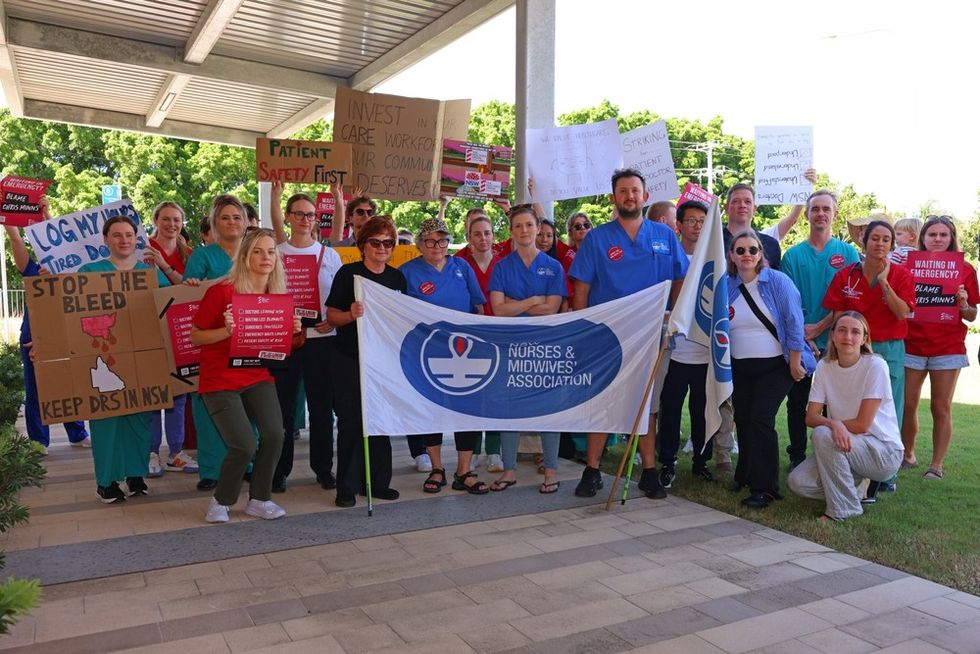 The nurses and midwives union have long campaigned for increased pay rates.Shutterstock
NSW nurses and midwives are the lowest paid in Australia and graduate-registered nurses are still the second lowest paid in the country with a starting salary of $79,369. By comparison, Queensland nurses are in the top spot with a starting salary of $87,366.
This, combined with Sydney’s high living costs, meant the industry is susceptible to losing nurses to other states.
The Industrial Relations Commission aimed to rectify this with their award, but the association believes this is not enough.
Registered nurse of 53 years and NSWNMA member, Pumla Coleman told the union she felt "devalued" following the decision.
"The words he said do not match the outcome on the ground," she said, adding that it will not be enough "to get young people coming into the system to work."
This pay rise does not impact all nurses in NSW, only those working in public hospitals. That means thousands of nurses will be without a pay increase.
The union was clear that this is not the end of their campaign for wage increases.
After the ruling, Whaites posted on social media: "There’s more work to be done. We will come together and we will continue to hold this government to account."